
The Creator Sessions #11 · with Phil Langer · 1h 43m
Phil Langer: Icarus Rising, Slophunters and AI Films With No Start Frames
Phil Langer, aka @theBytePit, screens eight films live, from his Seedance 2.0 bathrobe tests to Icarus Rising, a ten-minute Seedance 2.5 film built from about ten reference images and no start frames.
The short version
Phil Langer, the Berlin creative director behind The Hybrid Portraits and the YouTube channel theBytePit, had been on the weekly show for his Runway ad and his model comparisons, and was one of the most requested Creator Session guests yet. He screened eight films. Three quick Seedance 2.0 tests starring himself in a bathrobe. Slophunters, his answer to the LinkedIn critics. Icarus Rising, a ten-minute Seedance 2.5 film made on Runway from about ten reference images and no start frames, for 250,000 to 300,000 credits, or about $4,000 if he had paid. A first look at its unreleased sequel. Darkness Wakes Below the Deep, an underwater horror made in Kling 3.0. And The Blue Piper, about the rise of the far right in the east of Germany, where he was born. Along the way he explained his character sheets, why fights are easier than dialogue, generating at 720p and upscaling to 4K, and why he thinks sound is 40% of a finished film.
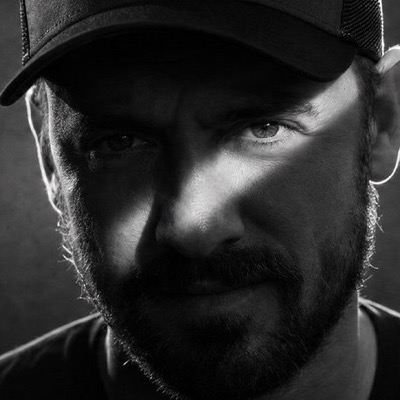
The guest
Who is Phil Langer?
Phil Langer (Philipp Langer) is a Berlin creative director and AI filmmaker who posts his films on YouTube as theBytePit. He created The Hybrid Portraits, the photorealistic human and animal portraits that began in Midjourney V4, and turned those characters into Icarus Rising, a ten-minute Seedance 2.5 film made from reference images alone. By day he is Principal Creative Art & AI at Jung von Matt SPREE.
- Real name
- Philipp Langer
- Also known as
- theBytePit on YouTube and Instagram
- Known for
- The Hybrid Portraits, Icarus Rising, Slophunters, Darkness Wakes Below the Deep
- Day job
- Creative Director and Principal Creative Art & AI at Jung von Matt SPREE, on a four-day week
- Based in
- Berlin. Born in East Germany
- Before AI
- Art director and motion designer in New York from the early 2000s, at agencies including R/GA, Digitas and Wieden+Kennedy
YouTubeInstagramThe Hybrid PortraitsLinkedInWebsiteFull profile →
By the numbers, per Phil
Key takeaways
- 01
Phil treats every new model as R&D he can post. His Seedance 2.0 bathrobe films were quick tests of multi-shot and character transfer, starring himself. The Rooms in the Back took about three hours.
- 02
Icarus Rising was his first film with no start frames: every character and location is a reference image, about ten in total, and the prompt describes the camera and the action. It makes previs harder for clients, but you can show how a shot will behave.
- 03
Pick a world that hides the model's weaknesses. The Backrooms set and Icarus's labyrinth are abstract enough that background consistency barely matters.
- 04
Make extra character sheets for every state (wings on, wings off, backpack), and use detailed sheets with hands and backs for shots where a character might turn round.
- 05
Generate at 720p and upscale to 4K with Topaz. Icarus Rising cost about $4,000 in credits that way, and would have been about $10,000 at 1080p.
- 06
Big fight scenes are easier than two people talking in a room. Phil lets an assistant like Claude fill in the choreography, then tweaks about three times per shot.
- 07
Sound is about 40% of a finished film. A drone layer under the whole edit covers the joins between clips, and it has become his signature.
The session, narrated
Ten images, ten minutes.
Andrew was back as co-host for the first hour, and the chat was full of people who had followed Phil since his first hybrid animal portraits. Phil is unusually prolific for a Creator Sessions guest, so instead of one long film we watched eight, oldest tests first, stopping after each to ask how it was made. This is the session, narrated chapter by chapter.
Start the narrationSkip to the 15 lessons
Run of show
- 0:00A fashion shoot with animal heads.
- 8:27R&D you can post.
- 21:09Ants, not ninjas.
- 28:05The same old panic.
- 37:35From Avatar to the hybrid world.
- 51:34Credits, sheets and human ears.
- 54:43720p, Topaz and ten images.
- 1:02:46A little bit Batman.
- 1:12:15Tension that doesn't let go.
- 1:29:14Simple solutions, complex problems.
- 1:38:45The most talented part-timer.
A fashion shoot with animal heads.
Chris first found Phil through the Hybrid Portraits, years ago in AI terms. It started when Midjourney V4 came out. Phil read that the models could do a fashion model or an animal, but not a model with an animal head. He tried it anyway, and one image came back as a true human and animal blend. He kept developing it, and the Instagram account he started for the portraits blew up.
V4 was also his moment as an advertising creative. His agency was pitching a scene of people at computers with Iron Man style HUD graphics floating round their heads. A team of designers working from stock photography in Photoshop never got it to look right. He tried Midjourney instead.
“Within like four hours I kind of finished this presentation. That was when I realised this is going to be huge.”
Phil Langer▶ 3:42
He still has a soft spot for Midjourney. Most of the field has moved to precise models like Nano Banana, he says, but if you crank up the stylise or variation settings Midjourney still gives you the weird, random looks you want when you are developing a location or a character. Chris added the explanation he had been given: Midjourney is still a diffusion model, while the precise ones are autoregressive.
R&D you can post.
The first films were Seedance 2.0 tests from the spring, each starring Phil himself in a bathrobe. The Rooms in the Back rode the Backrooms trend. What he was really testing was multi-shot: several camera angles from one prompt, the feature he says changed AI filmmaking.
“The second one was that whole multi-shot feature that kind of changed the whole AI video filmmaking industry.”
Phil Langer▶ 9:17
The Backrooms setting was a deliberate cheat. The space is so abstract that it doesn't matter what it looks like from shot to shot. With one character sheet the hero stayed consistent, even if he doesn't look exactly like Phil, and the whole film took about three hours.
Mayhem was the first of what he calls the bathrobe trilogy, and a test of a different limit. With 15 seconds per clip, how do you get from one set to the next? So he jumps through a window, falls through the floor into a garage, and keeps going. According to its YouTube description it took one character reference image, eight prompts and eight 15-second clips.
Chris said that if it came on TV he'd be asking what film it was from, not whether it was AI. Phil's point was how the work gets made now: in traditional film you shoot and then edit what you have. Here the script grows during the edit.
“Now you can develop the script or the idea while you're editing this film.”
Phil Langer▶ 19:45
It started with a single thought about running across rooftops in New York while the world falls apart. Every scene after that was a train of thought: generate the next jump, and if it doesn't work, try something else. Asked by California Girl whether these are real dreams, he admitted he does have a lot of apocalyptic ones.
Ants, not ninjas.
Seedance 2.0 was the first model that could really do fight scenes, and every test online was ninjas or robots. Phil wanted a fight without either, so he shrank himself to the size of an ant.
It also shows the limits of 2.0. Scale kept drifting, with the spider too small in one shot and huge in the next, and the grass changing size. The fix he learnt was to upload location references that show the model exactly how big things are. Danny in the chat thought it could be an ad for Raid.
Andrew asked how detailed the fight prompts are. Fairly specific, Phil said, but he works with an assistant like Claude to fill in the details. He writes the beats in plain words: the ant comes from the right, I jump up, do a spin kick and punch. The assistant adds where everything lands and how fast. Then he watches the result and adjusts, for example asking for more speed or for him to scream in rage.
“You get 15 seconds sequence with several edits, and then you just pick whatever works best and you just stitch it together.”
Phil Langer▶ 26:41
He averages about three tweaks a shot. And like Kavan the Kid and Marco before him, he finds the epic fights the easy part.
“The big epic fight scenes, they're so much easier and so much quicker than a dialogue scene with two people sitting in a room.”
Phil Langer▶ 26:56
The same old panic.
The hate comments started with the Hybrid Portraits and never stopped. Phil understands where some of it comes from. VFX and special effects people have been hit hard, the way the models were trained is questionable, and he isn't happy giving his money to billionaires. If a properly sourced model that paid artists existed, he says, he would switch instantly, even if it cost more. Nothing like that can compete yet.
The name comes from a group of men on LinkedIn who hunted down every piece he posted, always the same guy saying here we go again, another slop. The film went down well on LinkedIn, with few negative comments. Some people asked why he was mocking people losing their jobs. His answer: it isn't about them, it's about people who reject any new form of media.
That is the joke of the film: the same fight, every few decades. Phil pointed to Kraftwerk, whose electronic music was rejected because it let people make music without traditional training, and to an old German poster against recorded music replacing live players at the cinema. Chris added the campaign against canned music. The arguments, Phil said, came back 100 years later almost word for word.
From Avatar to the hybrid world.
Icarus Rising was Phil's big Seedance 2.5 showcase. The myth had fascinated him since he was a child, and it suited the tools: most of it takes place in the labyrinth, so the backgrounds can be abstract and consistency is less of a problem.
His first characters were plain humans, and they felt uninspired. The next version had big eyes and green skin.
“And then I was like, this is just Avatar. I'm recreating Avatar here.”
Phil Langer▶ 38:48
Then he remembered he already had a cast. Years of Hybrid Portraits had given him a whole world of animal characters, and the tools had never been good enough to tell a story with them. Icarus Rising is the first film set in that world.
Glenn called it one of the most engaging pieces he had seen, and California Girl loved the ears reacting to the characters' emotions. The hosts loved the shot where the camera finds the pair flying over the waves. That was all in the prompt: start far away, zoom in and search for them.
“I'm still blown away by, you have this idea and Seedance pops it out and it works.”
Phil Langer▶ 50:50
Credits, sheets and human ears.
Jeremy on LinkedIn asked how anyone can afford a film like this. Phil joked that he is just a super rich guy, then explained. The popularity of the Hybrid Portraits got him into creator partner programmes early, including Runway's, and he had been sitting on about 800,000 credits. He decided to go all in.
“I think I used 250,000 credits or 300,000. It would have been around $4,000, I think, if I would have paid for this.”
Phil Langer▶ 52:14
It is all Seedance 2.5, generated inside Runway, with a little done in Dreamina.
Santiago asked whether 2.5 still needs complex character sheets. Phil goes back and forth. A detailed sheet runs to about 15 images, with the main views plus close-ups of the hands and the back. A simple one is just the face from the front and the body from front and back, which lets the face fill more of the image. The extra detail earns its place on the shots you didn't plan for.
“It's good to have these extra details because sometimes you have a shot where the character turns around and you didn't think of it.”
Phil Langer▶ 53:19
One fight he never fully won was ears. The models keep adding human ears when an animal character turns round. Look closely and you'll spot a few.
“I did it so often that sometimes I'm like, forget it. I just leave it in.”
Phil Langer▶ 54:19
720p, Topaz and ten images.
There was never meant to be a sequel. When Icarus Rising played on a cinema screen at the AI filmmakers meetup in Berlin, people kept asking what happened next, so he started working out what Daedalus would do. To get it onto that screen, he upscaled it.
“They were generated in 720p only, but then with Topaz I cranked it up to 4K, and it looks really good.”
Phil Langer▶ 55:49
Topaz doesn't invent new detail, he says, it sharpens and enlarges. But generating at 1080p would have taken the film to about $10,000. Chris raised Dreamina's planned 480p preview, and Phil called Seedance's preview mode huge for advertising, where specific shots used to be slot-machine work.
What Icarus Rising cost
Generating at 720p versus 1080p
Phil's own rough figures, at 52:14 and 56:05 in the session. He used credits from Runway's creator partner programme, so the dollar figures are what the credits would have cost.
Then the detail that defines the film. Icarus Rising was the first time Phil worked without start frames at all.
“It was also the first film I did without start frames. The entire film is just reference images.”
Phil Langer▶ 57:25
Start frames versus references
What changes when you drop the start frame
From 57:25 to 58:10 in the session.
Every character has a reference sheet and every location two or three images, about ten in all. That doesn't mean fewer sheets per character: Icarus has one with wings, one without and one with the backpack, or he loses his wings when he shouldn't. Each location sheet has to cover every angle the camera might take.
Phil's reference workflow
How Icarus Rising was built
- 01Cast from your own back catalogueThe characters come from years of Hybrid Portraits, matched to their roles: panthers and wolves for gods, a boar for the king.
- 02Choose the sheet for the shotA detailed sheet of about 15 images, with hands and back, for wide and turning shots. A simpler one, face front and body front and back, when the face matters most.
- 03A sheet for every stateIcarus with wings, without wings and with the backpack, so he never loses his wings by accident.
- 04Location sheets from every angleTwo or three images per location, so the camera can point anywhere.
- 05Prompt the camera and the actionSeedance 2.5 on Runway, which can now run to 30 seconds a generation. About three tweaks a shot.
- 06Generate at 720p, upscale to 4KTopaz takes it to 4K for the cinema screen.
- 07Lay a drone under everythingAtmospheric music and drones from royalty-free libraries cover the joins between clips.
Pieced together from 52:44 to 1:08:59 in the session.
Chris put it in context: Seedance 2 only came out in February, and a ten-minute film from ten images is the change of the year. Phil traced his own first jolt to Sora's multi-shot, and to a flicker of humour in what it made from a photo of himself. That made him wonder how long it will be until models are creative and funny enough to make things alone. Seedance is already at 30 seconds a generation, he said, and he expects five minutes one day, and personalised shows.
“You create your own Netflix show where you just type it in, and then you have an episode of Breaking Bad, but you're the bad guy.”
Phil Langer▶ 1:02:08
A little bit Batman.
Phil gave the show an unreleased two-minute scene from the Icarus Rising sequel. It comes near the start: Daedalus goes after the king who set up the labyrinth, and the way he gets in is, in Phil's words, a little bit Batman.
The hosts loved the slow motion and the sweep with the wings instead of the feet. The wing fighting was inspired by the winged X-Men character in the third X-Men film, and the slow motion and the superhero landing were both written into the prompt. California Girl asked whether the black wings were a clue. They are: he is sneaking in to reach the king, so the white wings had to go.
The scene was still a rough cut with no final sound design, which led to the sound question from dadguyd in the chat. Phil's music comes from royalty-free libraries such as Artlist and Pixabay, often from a composer whose drones he loves. He wants atmosphere more than tunes, so he isn't tied to beats when he builds the story. He has tried Suno and was never really happy with it. Seedance's own sound effects are good, but always need more on top.
“I think sound is like 40% of that finished product.”
Phil Langer▶ 1:07:40
Danny asked why animals. Phil matches each animal to the character: the gods are panthers and wolves, and the king will be a big, menacing boar. He likes cat-like figures for their long, thin limbs. The plan is a whole hybrid universe, with ideas like Dante's Inferno and Robin Hood, each told in its own distinct style.
Tension that doesn't let go.
Darkness Wakes Below the Deep was made in Kling 3.0, and the 4K version arrived just after he finished. Does he hold ideas back for the next model? He used to, then decided he had to get things out. The same thing happens in advertising, where a new model lands a week after you deliver.
Horror isn't normally his genre. He likes the classics like The Shining and The Sixth Sense rather than gore. The film was a test of a specific AI problem: AI video tends to come in ups and downs, and he wanted tension that holds all the way through.
Chris praised how recognisable Phil's work is. Phil said it is deliberate, and the reason he is happy to make a fool of himself in a bathrobe.
“You have to create your own language, your own style, your own look. It's very easy to get into this and create content, but it's very hard to stand out.”
Phil Langer▶ 1:16:22
Advertising helps, he said, because ads have to work in a short time, and every piece needs a story and an idea, not just visual quality. He also described Berlin's AI filmmaker meetup, which started about three years ago as five nerds in a café and now has to rent a cinema.
The story grew as the generations came in, with Event Horizon as the only fixed idea: someone finds an abandoned station and goes inside. Chris called the drones and reverbs Phil's signature sound. Phil explained they also do a job.
“A drone layer above it all. I mean, it's probably standard filmmaking. It kind of covers it all.”
Phil Langer▶ 1:27:07
Simple solutions, complex problems.
Chris saved the most personal film for last. Phil is from East Berlin, and The Blue Piper is about the rise of the far-right AfD in the east of Germany, where it has done especially well in recent local elections. He listed reasons people give, like the way reunification was handled, and said none of them is an excuse for voting for the extreme right.
The film turns the party into a mythical piper luring people from their sleep. It is blue because blue is the AfD's colour. Any resemblance between the main character and a certain politician, he added, is a coincidence.
This time the music was Suno. He couldn't find an eerie enough track for the piper, so he made one. The conversation turned to how extremism spreads online. Phil follows a few right-wing accounts to keep an eye on them, and one or two clicks later the algorithm decides that is who he is.
“It's always simple solution for very complex problems.”
Phil Langer▶ 1:37:04
The most talented part-timer.
Is all this part-time? Sort of. Phil works a four-day week in advertising and makes films on Fridays, weekends and evenings. At the agency he is the AI expert, teaching the creative departments what is and isn't possible and developing concepts with clients. The films are how he keeps up.
“If you wait a week, then you're missing all these models, and you kind of have to know what's possible.”
Phil Langer▶ 1:39:44
He asked people to follow him on YouTube as theBytePit, which he is trying to grow, and on Instagram as theBytePit and the Hybrid Portraits. Chris called it one of his favourite Creator Sessions so far, and floated a future group session with every AI creator in Berlin.
The lesson ledger
15 lessons from 103 minutes with Phil.
Every lesson is pinned to the moment it was said. Each one ends with something you can do this week.
-
01Workflow
Turn every model test into a film
“These films are really just tests of multi-shot with one prompt, have several different camera angles in one motion.”Phil Langer ▶ 9:33
Try thisNext time a model updates, give yourself three hours to make a one-minute short that tests its new feature, and post it.
-
02Story
Write the film while you edit it
“Now you can develop the script or the idea while you're editing this film.”Phil Langer ▶ 19:45
Try thisStart your next short from one image or situation, not a script. Generate the next beat only after the last one is cut in.
-
03Craft
Show the model how big things are
“You have to kind of show this, the spider is this size, and you have to upload an image that shows how big.”Phil Langer ▶ 24:47
Try thisWhen scale matters, make a location reference with your character and the big object in the same frame, and attach it to every shot.
-
04Workflow
Pick the best moments from each generation
“You get 15 seconds sequence with several edits, and then you just pick whatever works best and you just stitch it together.”Phil Langer ▶ 26:41
Try thisTreat every multi-shot generation as coverage. Pull only the strongest cuts from each and assemble the scene from those.
-
05Craft
Budget for dialogue, not for fights
“The big epic fight scenes, they're so much easier and so much quicker than a dialogue scene with two people sitting in a room.”Phil Langer ▶ 26:56
Try thisWhen you plan credits and days, give quiet two-person scenes more generations than the action.
-
06Story
Set your story where consistency matters less
“It mostly plays in the maze, in the labyrinth, so you also don't have that much problems with consistent backgrounds.”Phil Langer ▶ 38:21
Try thisFor your first long film, choose a setting that is abstract or repetitive: a maze, a fog, a void, an empty office.
-
07Story
Cast from your own back catalogue
“Then I realised I have these, the hybrid portraits. I have all these animal characters that I developed over years.”Phil Langer ▶ 38:52
Try thisGo back through your old image work and pick the characters people responded to most. Give one of them a story.
-
08Craft
Put the details you didn't plan for on the sheet
“It's good to have these extra details because sometimes you have a shot where the character turns around and you didn't think of it.”Phil Langer ▶ 53:19
Try thisAdd hands, the back and one costume close-up to the sheet of every character who moves through wide shots.
-
09Business
Generate at 720p, upscale for the big screen
“I think for now, 720p and upscale to 4K, it looks good.”Phil Langer ▶ 56:12
Try thisGenerate your next film at 720p, upscale it, and check it on the biggest screen you can find before you pay for 1080p.
-
10Workflow
Try a film with no start frames
“It was also the first film I did without start frames. The entire film is just reference images.”Phil Langer ▶ 57:25
Try thisMake your next short from character and location references alone, with prompts that describe the camera and the action.
-
11Craft
One character sheet per state
“There's one for Icarus with the wings, without the wings, with that backpack.”Phil Langer ▶ 59:23
Try thisList every costume or prop change your character goes through and make a separate sheet for each before you generate.
-
12Craft
Give sound 40% of the effort
“I think sound is like 40% of that finished product.”Phil Langer ▶ 1:07:40
Try thisBook as much time for sound as you spent on your best scene's generations, and layer effects on top of what the model gives you.
-
13Mindset
Stop waiting for the next model
“I was kind of like, I have to get this stuff out.”Phil Langer ▶ 1:12:58
Try thisTake the idea you're saving for a better model and make a version of it this month with what you have.
-
14Business
Build a look people can spot
“You have to create your own language, your own style, your own look. It's very easy to get into this and create content, but it's very hard to stand out.”Phil Langer ▶ 1:16:22
Try thisPick one recurring element, a character, a sound or a setting, and put it in your next three pieces.
-
15Craft
Hide the joins with a drone
“A drone layer above it all. I mean, it's probably standard filmmaking. It kind of covers it all.”Phil Langer ▶ 1:27:07
Try thisRun one continuous ambient bed under your whole edit, so the sound jumps between generated clips disappear.
The toolkit, in Phil's words
- Seedance 2.5core
Icarus Rising, its sequel and Slophunters. Generations of up to 30 seconds, and a huge jump in faces and realism over 2.0.
▶ 52:24 - Runwaycore
Where he generates Seedance. Early access through its creator partner programme left him with the credits that paid for Icarus Rising.
▶ 51:55 - Seedance 2.0then
The bathrobe films. Its multi-shot feature, several camera angles from one prompt, changed AI filmmaking for him.
▶ 9:17 - Kling 3.0uses
Darkness Wakes Below the Deep. The 4K version arrived just after he finished.
▶ 1:12:27 - Topaz Labscore
Upscales his 720p generations to 4K. It sharpens rather than adding detail, and that's enough for a cinema screen.
▶ 55:53 - Claudeuses
Fills in the details of fight choreography from his plain-language beats.
▶ 25:58 - Midjourneythen
Where the Hybrid Portraits began, on V4. Still his favourite for weird, random looks when developing characters and locations.
▶ 5:25 - Dreaminasometimes
A little of Icarus Rising was generated there.
▶ 52:30 - Artlistuses
Royalty-free music and drones for the atmospheric bed under his films.
▶ 1:06:51 - Pixabayuses
The free royalty-free library he uses alongside Artlist.
▶ 1:06:51 - Sunosometimes
Never really happy with it for scores, but he made The Blue Piper's eerie track in it when nothing else fitted.
▶ 1:36:12 - Soratried
Its multi-shot was his first sign that AI video would change everything, and it surprised him with a sense of humour.
▶ 59:49
On the record
“It's very easy to get into this and create content, but it's very hard to stand out.”
“Now you can develop the script or the idea while you're editing this film.”
“And then I was like, this is just Avatar. I'm recreating Avatar here.”
“I'm still blown away by, you have this idea and Seedance pops it out and it works.”
“I did it so often that sometimes I'm like, forget it. I just leave it in.”
“I think sound is like 40% of that finished product.”
“It's always simple solution for very complex problems.”
“If you wait a week, then you're missing all these models.”
Quotes are trimmed of filler words for reading. Every timestamp opens the session at that moment.
Chapters
- 0:00Phil's first Creator Session
- 1:14How the Hybrid Portraits started in Midjourney V4
- 5:34Why Midjourney still has a special place
- 8:27The bathrobe films: testing Seedance 2.0 multi-shot
- 10:50THE ROOMS IN THE BACK
- 15:27How Mayhem jumps from set to set
- 16:33MAYHEM
- 19:38Where do the ideas come from?
- 21:14Why ants, not ninjas and robots?
- 22:03ANTLAND
- 25:37How detailed are the fight prompts?
- 26:56Why fights are easier than dialogue
- 28:05Where Slophunters came from
- 30:15SLOPHUNTERS
- 33:10The LinkedIn slop hunters
- 34:56Kraftwerk, canned music and the same old panic
- 37:35From humans to Avatar to hybrid animals
- 40:35ICARUS RISING
- 51:34What did Icarus Rising cost?
- 52:37Do you still need complex character sheets in 2.5?
- 53:55The human ears problem
- 54:55A sequel nobody planned, and a Berlin cinema screening
- 55:40720p, Topaz and 4K
- 57:25No start frames: about ten images for ten minutes
- 59:49Is there humour in the models?
- 1:03:18ICARUS RISING SEQUEL: SNEAK PEEK
- 1:05:14Wing sweeps, slow motion and superhero landings
- 1:06:25How does Phil do his music and sound?
- 1:08:29Why animals?
- 1:12:35Do you hold ideas back for the next model?
- 1:16:08Why you need your own visual language
- 1:19:57DARKNESS WAKES BELOW THE DEEP
- 1:29:14The Blue Piper and the rise of the AfD
- 1:32:14THE BLUE PIPER
- 1:38:54Is AI part-time for Phil?
Questions this session answers
Who is Phil Langer, aka theBytePit?
Phil Langer is a Berlin creative director and AI filmmaker who posts his films on YouTube as theBytePit. He created The Hybrid Portraits, the human and animal portrait project that began in Midjourney V4, and works in advertising as his agency's AI expert. His films include Icarus Rising, Slophunters, Darkness Wakes Below the Deep and The Blue Piper.
How was Icarus Rising made?
Phil Langer made Icarus Rising entirely in Seedance 2.5, generated on Runway with a little in Dreamina, using reference images only and no start frames. Each character has reference sheets, including separate ones for Icarus with and without wings, and each location has two or three images, about ten in all. It was generated at 720p and upscaled to 4K with Topaz.
How much did Icarus Rising cost to make?
Phil says he used 250,000 to 300,000 Runway credits, which would have cost about $4,000 if he had paid for them. He had the credits from Runway's creator partner programme. Generating the same film at 1080p instead of 720p would have cost about $10,000, he estimates.
What does making an AI film without start frames mean?
Instead of creating a first frame for every shot and animating from it, Phil gives Seedance 2.5 reference images of each character and location and a prompt describing the camera and the action. It needs far fewer images, about ten for the ten-minute Icarus Rising, but you can't show a client approved frames in advance, only how a shot will behave once generated.
Do you still need detailed character sheets in Seedance 2.5?
It depends on the film, Phil says. A detailed sheet of about 15 images, with close-ups of the hands and the back, helps on wide shots and when a character turns round unexpectedly. A simpler sheet with the face from the front and the body from front and back makes the face bigger and works for closer shots. He also makes a separate sheet for every state, such as wings on and wings off.
What are The Hybrid Portraits?
The Hybrid Portraits is Phil Langer's AI art project of photorealistic human and animal hybrids. It began with Midjourney V4, when he tried to make fashion models with animal heads and one image came back as a true blend. The Instagram account took off, and the characters became the cast of Icarus Rising.
What is Slophunters about?
Slophunters is Phil Langer's comic short about the critics who have attacked every new medium, from recorded music to CGI, and now AI. It is named after a group of LinkedIn users who commented 'slop' on everything he posted. Phil says it isn't mocking people who have lost work, but people who reject any new form of media.
What AI tools does Phil Langer use?
On AI LIVE Phil named Seedance 2.5 on Runway for Icarus Rising and Slophunters, Seedance 2.0 for his earlier shorts, Kling 3.0 for Darkness Wakes Below the Deep, Topaz to upscale to 4K, Claude to help write fight choreography, and Artlist, Pixabay and occasionally Suno for music. The Hybrid Portraits began in Midjourney.
What is The Blue Piper about?
The Blue Piper is Phil Langer's short film about the rise of the far-right AfD in the east of Germany, where he was born. A mythical piper lures people from their sleep, coloured blue for the party's colour. The eerie music was made in Suno.
New Creator Sessions every Wednesday
Long-form conversations with the best AI creators in the world, screening their work live. Tuesdays we review the week's best AI work and you vote.